
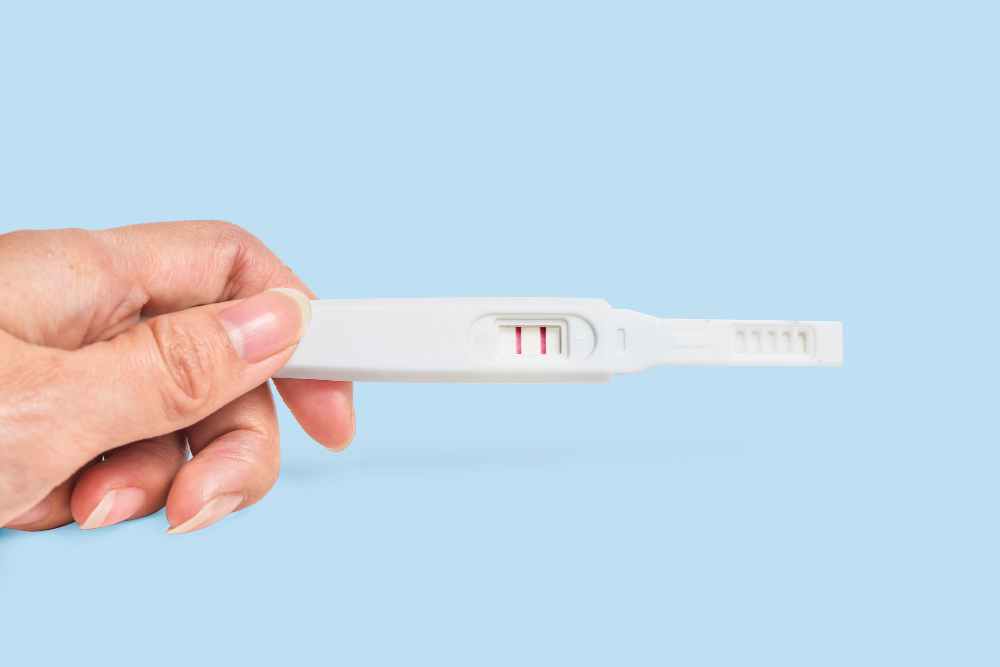
False pregnancy—clinically known as pseudocyesis—is a rare but real condition where someone strongly believes they are pregnant and even experiences many physical symptoms—yet no fetus is present. Despite its rarity, especially in regions with widespread testing, it can be emotionally intense. This guide explains what pseudocyesis is, how to recognize signs, differentiate it from true pregnancy, and where to seek help.
1. What Is Pseudocyesis (False Pregnancy)?
Pseudocyesis is a psychosomatic condition in which a person experiences the belief of pregnancy despite negative test results and no fetal development confirmed on imaging Parents+14Osmosis+14Verywell Family+14Banner Health. Unlike a delusion of pregnancy—which involves belief without physical signs—pseudocyesis includes real physical symptoms such as weight gain, breast changes, nausea, and even labor-like pain Wikipedia+4Osmosis+4Verywell Family+4.
2. Why Does It Happen? – Causes and Risk Factors
Pseudocyesis likely arises from a complex interplay of:
-
Psychological factors: intense desire for pregnancy, grief from miscarriage or infertility, cultural pressure, emotional trauma Verywell FamilyVerywell Family+4Wikipedia+4Cleveland Clinic+4.
-
Hormonal and neuroendocrine changes: elevated prolactin can cause lactation and amenorrhea; endocrine shifts may mimic pregnancy physiology Verywell Family+13Wikipedia+13Wikipedia+13.
-
Somatic misinterpretation: bloating, constipation, or abdominal muscle movements may be perceived as fetal movement Wikipedia+1.
3. How Common Is False Pregnancy?
Pseudocyesis is extremely rare in developed settings today due to wide access to pregnancy testing. The incidence is approximately 1–6 cases per 22,000 births Psychiatrist.com+6Wikipedia+6Parents+6. It was significantly more common before modern diagnostics and still occurs more often in areas with limited healthcare access Cleveland Clinic+2Verywell Family+2.
4. Symptoms and How to Spot Them
Despite no fetus, people with pseudocyesis may experience many of these signs:
-
Missed or irregular periods (amenorrhea)
-
Abdominal enlargement, often with an inverted belly‑button
-
Breast changes: tenderness, darkening areolas, lactation
-
Nausea or morning sickness, food cravings or aversions
-
Sensation of fetal movement or contractions
-
Fatigue and urinary frequency
-
Weight gain and uterine enlargement
-
False labor pains at expected delivery date American Pregnancy Association+14Wikipedia+14Cleveland Clinic+14PsychDB+3Banner Health+3Psychiatrist.com+3Healthline+2Osmosis+2Cleveland Clinic+1National Geographic+1Banner Health+4Psychiatrist.com+4Osmosis+4
These symptoms can sometimes persist for weeks to nine months—even resembling full-term pregnancy OsmosisWikipedia.
5. Diagnosis & How to Confirm
If pseudocyesis is suspected:
-
Perform a pregnancy test (serum or urine), always negative.
-
Conduct a pelvic exam and ultrasound to confirm absence of fetus Banner Health+8Osmosis+8Psychiatrist.com+8Verywell FamilyCleveland Clinic+2Wikipedia+2.
-
Evaluate for hormonal imbalances, tumors, or other medical conditions mimicking pregnancy symptoms.
-
Psychiatric evaluation may be needed to distinguish from delusional pregnancy or related mental health issues Wikipedia+2Verywell Family+2Parents+5Osmosis+5PMC+5.
6. Treatment and Support Options
-
Medical reassurance through negative test results and imaging tends to alleviate symptoms in many cases Parents.
-
Psychotherapy or counseling helps address underlying emotional stress or trauma.
-
Pharmacotherapy or hormonal therapy may be used if hormone imbalances are identified (e.g., hyperprolactinemia) Healthline+5Osmosis+5Wikipedia+5.
-
Social and emotional support—family, friends, and support groups—can aid recovery and emotional processing ParentsOsmosis.
7. Pseudocyesis vs. Delusion of Pregnancy
-
Pseudocyesis: physical pregnancy-like symptoms plus belief in pregnancy.
-
Delusion of pregnancy: firm belief without physical signs, often linked to psychosis or schizophrenia Cleveland Clinic+3Wikipedia+3Verywell Family+3Wikipedia+4Osmosis+4Verywell Family+4.
8. Compassionate Care: What Loved Ones Can Do
Approach with empathy. A person experiencing pseudocyesis is not “faking” it—they truly feel pregnant:
-
Be validating yet gently clarifying when medical results show no pregnancy.
-
Encourage professional help—medical and psychological—for validation and healing.
-
Avoid judgment; understand grief, anxiety, or cultural pressures may have contributed Banner HealthCleveland Clinic.
9. Interlinking to Related Resources
For additional reading and support:
-
On newborn and infant hiccups, feeding & reflux:
↳ Newborn and Baby Hiccups? Here’s What to Do
↳ Are Hiccups Okay for Newborns? Understanding and Managing Hiccups in Infants -
Help for older children’s hiccups:
↳ How Can Parents Get Rid of Hiccups at Home? -
For pregnancy-related dietary concerns:
↳ Is It Safe to Consume Ajinomoto (MSG) During Pregnancy?
Reference :- NIH.
