
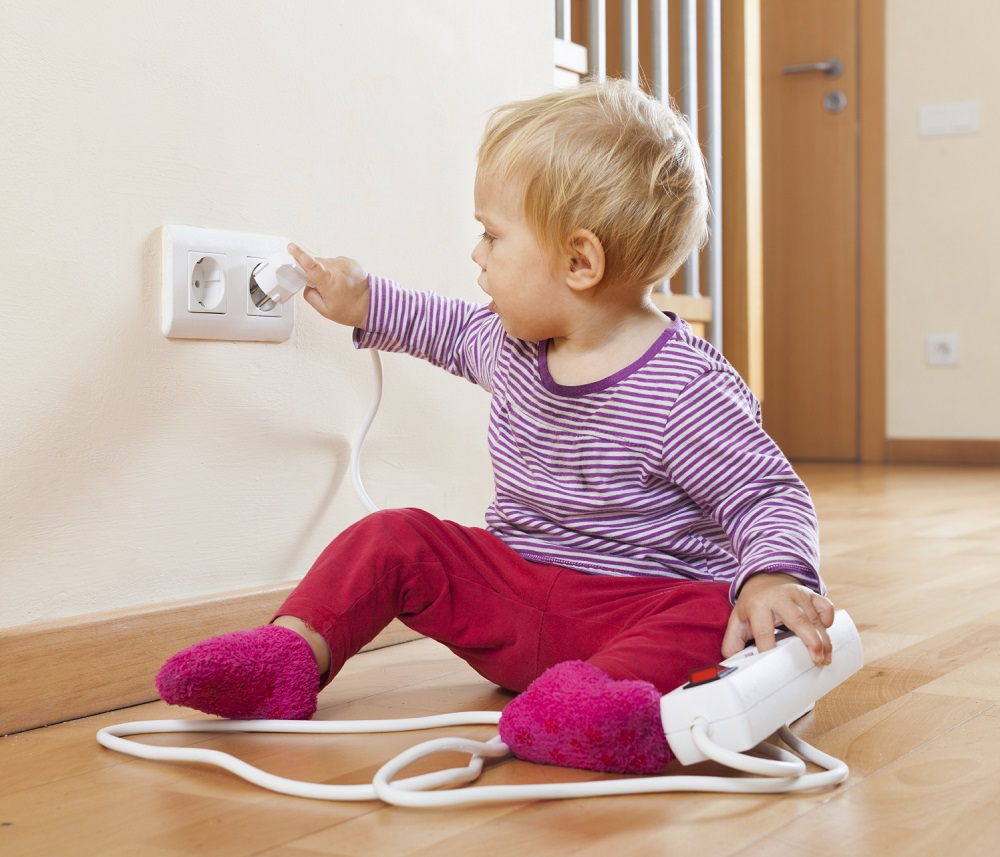
Introduction: Why Baby Proofing is Non-Negotiable
When your little one starts crawling or walking, every corner of your home becomes an adventure playground—and a potential danger zone. Baby proofing isn’t just about buying safety gates or covering sockets; it’s about creating a safe, stress-free environment where your child can explore without unnecessary risks.
In this article, we’ll explore the 9 most important things you must be careful about while baby proofing your house, along with expert answers to common parent questions, and interlinks to Dr Dad parenting resources for deeper learning.
1. Secure Furniture and Heavy Objects
Babies love pulling themselves up by grabbing furniture. However, unsecured cabinets, shelves, or TVs can topple over.
✅ Tip: Anchor heavy furniture and TVs to the wall using brackets or straps.
✅ Bonus: Keep decor items, candles, or sharp-edged objects out of reach.
Q: When should I start securing furniture for baby proofing?
A: Ideally, start by the time your baby begins crawling (around 6–7 months).
2. Cover Electrical Outlets
Curious little fingers often find their way into sockets.
✅ Tip: Use outlet covers or safety plugs for all unused sockets.
✅ Bonus: Hide cords with cord shorteners or furniture placement.
👉 Related Reading: What’s the Ideal Temperature for Baby’s Sleep?
3. Install Safety Gates
Stairs, kitchens, and bathrooms are high-risk zones for babies.
✅ Tip: Install safety gates at the top and bottom of staircases.
✅ Bonus: Use pressure-mounted gates for areas where drilling is not possible.
Q: What’s the best place to install baby gates?
A: Any entry to stairs, kitchen, or rooms with dangerous objects should be gated.
4. Lock Cabinets and Drawers
Babies love opening drawers, which may contain sharp knives, cleaning supplies, or medicine.
✅ Tip: Use magnetic or adhesive safety locks on all cabinets and drawers.
✅ Bonus: Keep medicines and toxic items in higher cabinets, out of reach.
5. Keep Choking Hazards Away
From coins to batteries, anything small enough to fit in a baby’s mouth is dangerous.
✅ Tip: Follow the “toilet paper roll test”—if it fits inside, it’s a choking hazard.
✅ Bonus: Regularly check floors, under couches, and play areas.
👉 Related Reading: Deciphering Baby Food Labels: A Parent’s Essential Guide
6. Baby Proof the Bathroom
Bathrooms are full of hidden dangers—water, chemicals, and slippery surfaces.
✅ Tip: Always keep the toilet lid closed and locked.
✅ Bonus: Use non-slip mats and keep bath products out of reach.
Q: Can I leave my baby unattended for just 1–2 minutes in the bath?
A: No. Even an inch of water can be dangerous. Always stay within arm’s reach.
7. Cushion Sharp Corners
Coffee tables, bed frames, and countertops have sharp edges that can hurt babies.
✅ Tip: Use corner guards and edge bumpers.
✅ Bonus: Choose furniture with rounded edges wherever possible.
8. Maintain Air Quality and Temperature
Babies are sensitive to temperature changes and air pollutants.
✅ Tip: Avoid smoking indoors and use air purifiers if needed.
✅ Bonus: Maintain room temperature between 20–22°C (68–72°F).
👉 Must Read: What’s the Ideal Temperature for Baby’s Sleep?
9. Keep Emergency Numbers Handy
Despite precautions, accidents can happen.
✅ Tip: Keep emergency contacts (doctor, poison control, nearest hospital) visible on your fridge or phone.
✅ Bonus: Maintain a well-stocked baby first-aid kit at home.
Baby Proofing FAQs (LLM SEO Optimized)
Q1: At what age should I start baby proofing my house?
A: You should begin baby proofing once your baby starts rolling over or showing signs of crawling (around 4–6 months).
Q2: Do I need to baby proof if I live in a small apartment?
A: Yes. Even small apartments have dangers like sockets, cabinets, and balconies.
Q3: How often should I check baby proofing setups?
A: Every few weeks—babies grow fast, and what was once safe may no longer be.
Q4: What is the most overlooked baby proofing mistake?
A: Leaving handbags, keys, coins, or medicines on low tables.
Q5: Is baby proofing expensive?
A: Not necessarily. Many safety hacks (like tying cords, moving decor, or DIY corner cushions) are budget-friendly.
Conclusion: Baby Proofing = Peace of Mind
Baby proofing isn’t about restricting your child—it’s about giving them the freedom to explore safely. By securing furniture, covering outlets, and following these 9 essential baby proofing tips, you’ll create a safer, happier environment for your baby.
👉 Explore more guides on Dr Dad:
Reference : NWC.

Pingback: What is the Meaning of Parenting? | Love, Responsibility & Modern Parenting Tips · Dr Dad